🌳 A Homeowner’s Guide to Tree Removal in Frisco, TX
A Homeowner’s Guide to Tree Removal in Frisco
What to Know, When to Worry, and How the Process Really Works
Tree removal is one of those decisions homeowners don’t love thinking about, yet sooner or later, almost every yard in Frisco faces the moment when a tree stops being a shade-giving friend and turns into a safety risk. North Texas weather speeds that process along. Big winds, heavy rains, dry summers, sudden freezes — our trees take a beating. And when a tree becomes unstable, hollow, diseased, or starts leaning in directions it shouldn’t, removal becomes less of a choice and more of a responsibility.
Most homeowners don’t know whether they actually need removal. That uncertainty sits heavy. You don’t want to lose a healthy tree… but you also don’t want to gamble on a limb snapping above your roof at two in the morning. The goal of this guide is to remove that guesswork and help you recognize the signs, understand the removal process, and know what to expect when you call a professional.
If at any point you want more details, here’s the full service page:
Tree Removal Service in Frisco
Why Trees in Frisco Often Need Removal
Tree removal in Frisco isn’t always dramatic. Sometimes a tree simply reaches the end of its life. Other times the Texas climate accelerates decline. A mature oak might look fine from the street but hide a hollow trunk that’s slowly weakening. A pecan tree that’s dropped several large limbs over the years may be signaling that its structure can’t handle another heavy rain.
The most common situations we see are trees that start leaning after storms, trunks developing cracks, roots uplifting sidewalks or foundations, or a slow spread of disease that gradually kills the crown from the top down. When trimming can’t fix the structural issues, removal becomes the safer and far more predictable choice.
Sometimes the decision is practical rather than urgent. New construction, additions, patios, pools, and landscaping changes often require clearing space. A tree might simply be in the wrong place for the long-term plans of the yard. In those cases, removal becomes part of creating the layout a homeowner actually wants.
The Signs a Tree Should Be Removed Instead of Trimmed
Most people hope trimming will solve the problem, and sometimes it can. But there are situations where trimming simply delays the inevitable. If the trunk is splitting, if decay is running through the center of the tree, or if major limbs are dying at the same time, the structure cannot safely support itself. A tree with a severe lean — especially if the lean is new — needs urgent evaluation.
Roots also tell their own story. If the ground is lifting on one side of the tree or cracking around the base, the tree may be losing its anchor. That’s a situation where waiting is riskier than acting. Dead branches throughout the canopy, peeling bark, mushrooms or fungal growth at the base, or large cavities in the trunk are strong indicators that the internal structure is failing.
When homeowners see these signs, they usually reach out with a simple question: “Can this be saved?” We answer honestly. If trimming alone can stabilize the situation, we’ll recommend it. If not, we’ll explain why removal is safer for your home, your family, and your neighbors.
If you ever want a more detailed breakdown of warning signs, here’s the link:
Storm & Hazard Tree Assessment
How the Tree Removal Process Actually Works
For many homeowners, tree removal feels mysterious. It looks like a complicated dance — ropes, rigging, saws, climbs, cuts — all done with precision. Let’s break down what actually happens.
The first step is always assessment. A crew member walks the property, examines the tree, looks at the direction of lean, identifies potential hazards, and checks where the tree sits in relation to homes, fences, sheds, and utilities. This is where we decide if the tree can be dropped in one piece or if it has to be taken down section by section.
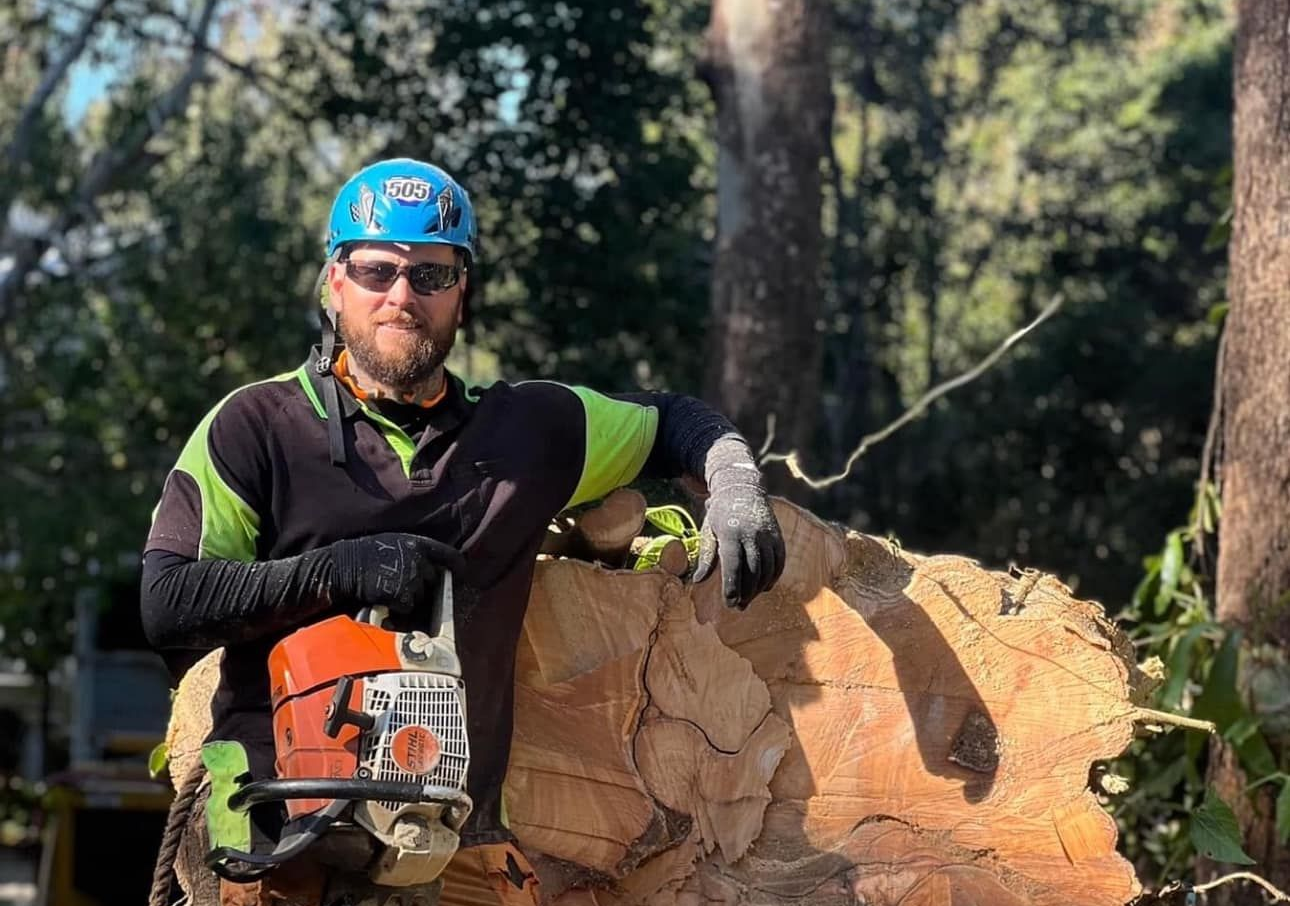
In neighborhoods like Frisco, the majority of trees cannot simply be “dropped.” The yards are too tight, fences too close, houses too valuable. That means controlled removal: climbing the tree or using a bucket truck, cutting one limb at a time, lowering everything gently with ropes, and making sure every piece lands exactly where it’s meant to.
Once the canopy is removed, the trunk comes down in large rounds. Each section is cut, lowered, and staged neatly so the crew can haul it away. The very last step is stump grinding if the homeowner wants the area cleared for new landscaping.
If you want that service added to a removal, here’s where it lives:
Stump Grinding & Root Removal
The result is a clean, safe yard where the risk has been removed and the space is ready for whatever comes next.
What Tree Removal Typically Costs in Frisco
There’s no fixed number because every removal depends on height, diameter, location, health, complexity, and cleanup. But homeowners usually find themselves within predictable ranges.
Smaller removals — understory trees, smaller shade trees, or young trees — tend to fall in the mid to upper hundreds, depending on access and root structure. Medium-size removals involving mature crepe myrtles, mid-sized oaks, and smaller pecans usually land somewhere between that and the next tier. Large removals involving tall oaks, wide pecans, or old elms often rise into the upper hundreds or above, especially when climbing or rigging is required.
Storm-damaged removals vary because the structure is unpredictable and the danger is higher. Trees leaning toward structures, split trunks, or broken tops require more caution and more crew coordination.
Why Choosing the Right Tree Service Matters
A poorly executed removal can turn a simple job into a dangerous one. Professional crews plan every step, tie every cut, and ensure the tree comes down exactly as intended. Homeowners often don’t realize how heavy even a single limb can be. A branch the size of your arm can easily weigh 100 pounds. Larger limbs weigh several hundred. A trunk section can weigh more than a small car.
This is why choosing a reputable service — one familiar with Frisco’s neighborhoods, tree species, soil conditions, and weather patterns — makes all the difference. When you call Frisco Tree Pros, we walk you through the entire process. We explain what needs to happen, how long it will take, and what the property will look like when we're finished. By the time we pack up, your yard is cleaner, safer, and ready for whatever comes next.
You can read more about our approach here:
Tree Removal in Frisco
When To Call for Help
If a tree is leaning, shedding limbs, showing signs of decay, or reacting strangely after a storm, it’s safer to get an evaluation now instead of wishing you had later. Most homeowners don’t need removal — but when they do, they’re grateful they didn’t wait.
Frisco Tree Pros is here to help you make the right decision, not the expensive one. We care about preserving healthy trees, removing dangerous ones, and keeping your property safe.
🌲 Call to Action
Need an evaluation?
We can walk the property with you and tell you whether the tree can be saved or whether removal is the wiser choice.
Call for Estimate
Dealing with a storm-damaged or leaning tree?
We offer fast hazard assessments and safe removal when needed.
Planning to replant or renovate after removal?
Our stump grinding crew can finish the job cleanly.
You might also like